
Comprehensive Guide to Tax Season Preparation in San Antonio
SR
Understanding Tax Season in San Antonio
Tax season can be a daunting time for many, especially in a bustling city like San Antonio. Understanding the local tax regulations and deadlines is crucial for a smooth filing process. Familiarizing yourself with the basics can save you from unnecessary stress and potential penalties.
Gathering Necessary Documents
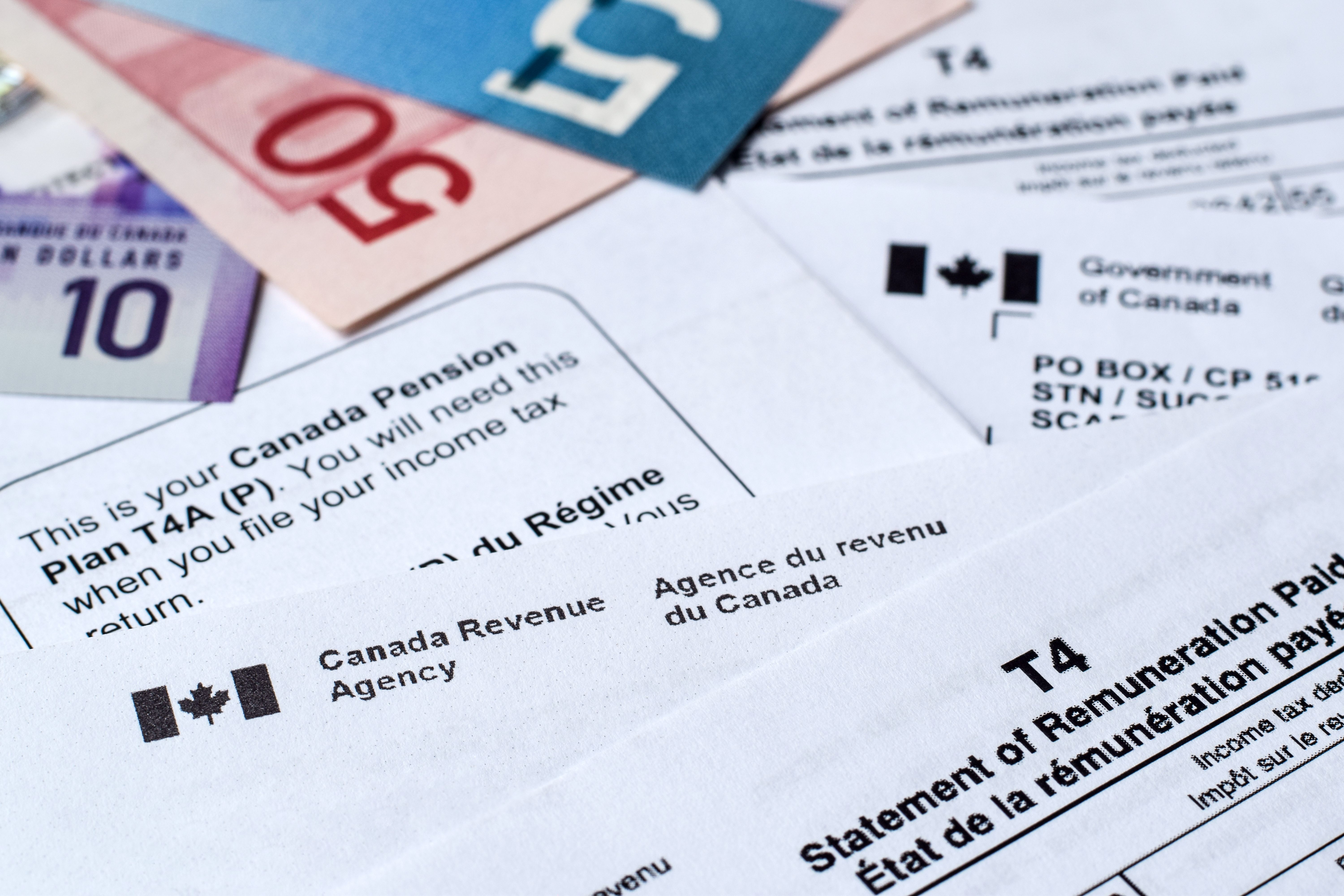
Before diving into the tax forms, gather all necessary documents. This includes W-2s, 1099s, mortgage interest statements, and any other relevant financial documents. Keeping these organized will make the filing process more efficient.
Consider using a checklist to ensure you have all the required paperwork. Missing documents can lead to delays and possible errors in your tax return.
Choosing the Right Filing Method
Decide whether you want to file taxes on your own or hire a professional. Each option has its advantages. Filing on your own can save money, but a tax professional can offer personalized advice and ensure accuracy.

If you choose to file yourself, numerous software options can guide you through the process. These programs are user-friendly and often come with support features to answer any questions you might have.
Understanding Deductions and Credits
Maximizing deductions and credits is an effective way to reduce your taxable income. Common deductions include mortgage interest, charitable donations, and certain medical expenses. Credits, such as the Child Tax Credit, can directly reduce the amount you owe.

It’s important to understand the difference between deductions and credits to make the most of them. Deductions reduce your taxable income, while credits reduce the actual tax owed.
Being Aware of Deadlines
Missing deadlines can result in penalties, so it’s essential to be aware of key dates. The standard tax filing deadline is April 15th, but it’s wise to check for any local variations or extensions, especially in San Antonio.
Consider setting reminders a few weeks in advance to give yourself plenty of time to prepare.
Preparing for Next Year
Once you’ve successfully filed your taxes, start preparing for the next year. Keep records of your financial documents and consider adjusting your withholdings if necessary to avoid a large tax bill or refund.
Taking small steps throughout the year can make tax season much more manageable and stress-free.